Whale Watching in England Where To Go.
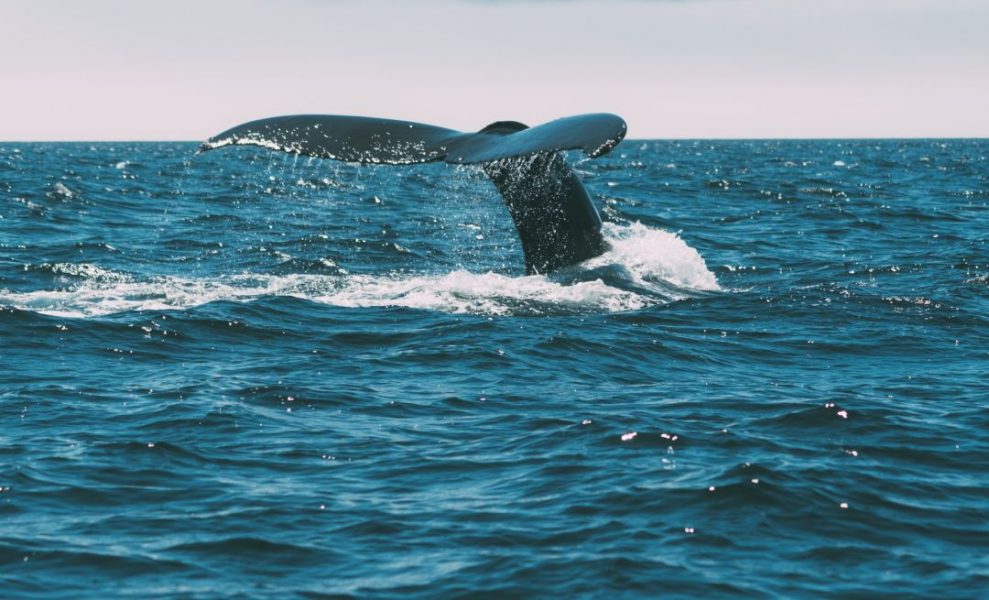
Did you know you can enjoy excellent whale watching in England without leaving the UK? These amazing creatures are found along the UK coast, if you know where to go. Minke whales are the most frequently seen species along the English coast, with occasional humpback and fin whales appearing too. Whether you prefer scanning the sea from a coastal path or joining a dedicated boat trip, the chances of a sighting are higher than many people realise – especially in late summer.
Here are the three best places in England for whale watching, based on regular sightings, accessibility, and available tours.
North Shields & the Northumberland Coast
North Shields and the surrounding Northumberland and Tyne & Wear coastline may not be the first location that springs to mind, yet minke whales are regularly recorded here from mid-summer onwards. Peak activity often occurs towards the end of August when food is plentiful in the North Sea.
Best viewing spots
- King Edward’s Bay
- Longsands Beach (Tynemouth)
- Other North Shields beaches and coastal paths
Fishermen frequently report sightings, and local landmarks even display whale bones recovered from nets. Keep a lookout while walking the coast or relaxing on the sand. For a higher chance of close encounters, consider a pelagic wildlife trip departing from Royal Quays Marina in North Shields, these longer outings specifically target minke whales, white-beaked dolphins and seabirds.
Best time: Mid-July to early September, with late August often the most productive.
From the middle to late summer time you can see Minke whales along this part of the Northumberland coast.
Fishermen on this stretch of the Northumberland and Tyne & Wear coast regularly encounter minke whales while working the same rich feeding grounds. A striking local reminder of these meetings appeared in 1998, when the fishing vessel Star of Peace brought up a large whale bone tangled in its nets.
The bone was placed outside The Staith House (a historic Fish Quay pub also known at various times as Staithes House or the New Dolphin), where it has stood as a quirky landmark ever since.
The Tyne area itself has older ties to whales, in the Georgian and early Victorian periods it was an active base for Arctic whaling voyages, with processing sites nearby at Howdon.
Whitby, North Yorkshire
Whitby in Yorkshire is well known for being a great coastal destination, but you can spot whales here too. In fact, Whitby has a long association with the sea and a fascinating whaling history. When you visit, you will see the famous whale bone arch. (The original whale bone arch from 1853 is now in the Whitby Archives & Heritage Centre.) Another interesting place to go while in Whitby.
Today the focus has shifted to watching rather than hunting, and the town is one of England’s most reliable spots for minke whales.
You can scan the sea from Whitby beach or the clifftops with binoculars, or join a dedicated whale-watching boat trip. Several operators run seasonal sailings, with September often regarded as peak season on this stretch of the North Sea coast as minke (and sometimes humpback or fin) whales follow herring and other prey.
Tips for Whitby
- Book boat trips in advance during peak months.
- Combine your visit with a walk along the Cleveland Way for elevated viewing points.
- Check local noticeboards or tour operator social channels for recent sightings.
Whitby remains one of the strongest options for organised whale watching tours in England. Head to Whitby beach with your binoculars and look out to sea, or Whitby Whale Watching offer boat trips in September which is the peak season on this part of the coast.
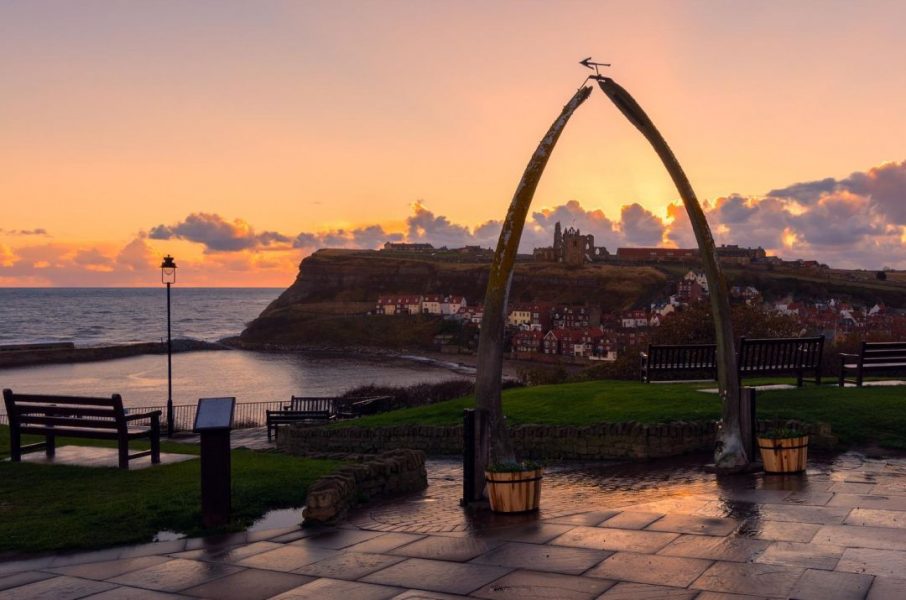
Whalebone Arch Memorial
Whitby’s famous whalebone arch on West Cliff was first erected in 1853 as a deliberate memorial to the town’s prosperous (and dangerous) Arctic whaling industry. Between the mid-18th and early 19th centuries Whitby ships made hundreds of voyages and are recorded as having taken around 2,761 whales, plus thousands of seals and polar bears. Returning successful ships traditionally displayed a whale jawbone high on the mast. The original 1853 arch was later replaced:
- 1963 – jawbones from a large fin whale taken by a Norwegian vessel.
- 2002/2003 – the current arch, made from the lower jawbones of a bowhead whale legally hunted by Inuit communities in Alaska (facilitated through Whitby’s sister-city links; special export permission was required). The original 1853 bones are preserved in the Whitby Archives & Heritage Centre.
As of 2025-2026 the current bones have weathered significantly and local discussions have considered options ranging from another real-bone replacement to a bronze or other replica on ethical and practical grounds. This evolution from active whaling port to modern whale-watching destination makes a neat narrative bridge in the article.
Cornwall (South West Coast)
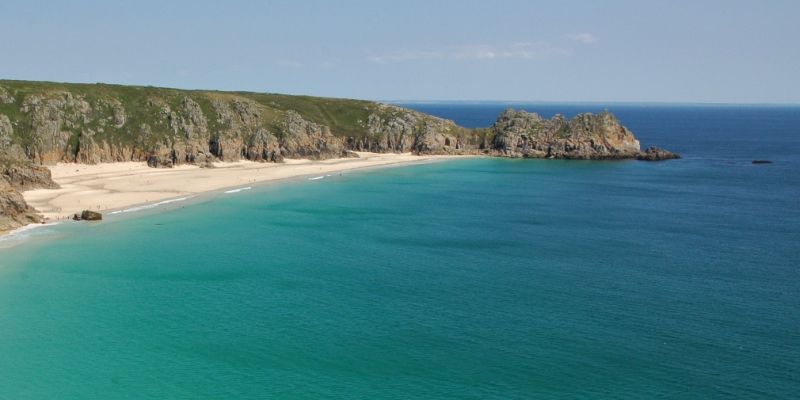
Cornwall’s dramatic coastline, particularly the south-west, offers another excellent opportunity. While common dolphins are the more frequent sighting, minke whales and occasional fin whales appear regularly. Humpback whales are rarer but have been recorded, including near Padstow and further out towards the Isles of Scilly.
How to spot whales in Cornwall
- Walk the South West Coast Path and scan the sea with binoculars every few minutes.
- Join a local boat trip from ports such as Padstow, Penzance or Falmouth.
- Best months are generally April to September, with calmer conditions improving visibility.
Practical Tips for Successful Whale Watching in England
- Binoculars are essential – even a modest pair dramatically increases your chances.
- Look for associated signs: feeding seabirds, surface activity, or unusual wave patterns.
- Weather and sea state matter; flat or slight seas are ideal.
Always prioritise responsible viewing – keep a respectful distance, never chase animals, and choose operators that follow best-practice guidelines.
Check recent sightings via local tour operators, coastal visitor centres, Seawatch Foundation, or ORCA before you go.
Whales can appear along other stretches of the English coast from time to time (for example, occasional records off Devon). The three locations above currently offer the most consistent opportunities.
If you are walking the coastal path, keep an eye out for them. If you have binoculars with you, scan the sea every now and then. You never know when they will pop up. Although the most common time to see them in from April through to September.
Occasionally they are spotted along other parts of the coast. Watch this video from 2017 when a Humpback Whale was seen off Berry Head.
It is always exciting spotting a whale, and we are so lucky we are able to see them (fairly easily) from our shores. If you’re trying to spot a whale, it’s a good idea to check with local whale-watching organisations, coastal visitor centres, or tour operators in the specific areas you’ll be visiting. They can provide up-to-date information on recent sightings and the best vantage points for whale-watching.
When Is the Best Time for Whale Watching in England?
Late summer (July-September) is generally the most productive period, when warmer seas and abundant prey bring minke whales closer inshore. Exact timing varies by region, so always check local conditions.
Ready to plan your trip?
Explore our full UK Beach Guide for the best beaches near these whale-watching hotspots, or contact local operators for the latest departure times and availability. Spotting a whale from an English shore or boat is an unforgettable experience – and more achievable than you might think.
World Whale Day
World Whale Day is celebrated each year to raise awareness of these magnificent animals and the importance of ocean conservation. The next World Whale Day falls on Sunday 21 February 2027. You can find more coastal awareness days on our dedicated page.
Click for more coastal awareness days dates